
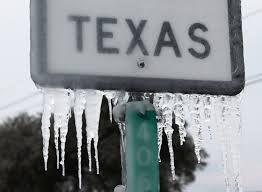
February 2021 changed how Central Texas thinks about winter. When temperatures collapsed into the single digits and stayed there for days, thousands of homes in Buda, TX and surrounding towns sat without power, without heat, and — for the unlucky ones — without water for weeks after pipes burst behind walls. That event reframed the conversation. Winter home maintenance in Buda, TX isn't about surviving four months of snow; it's about being ready for the two or three brutal nights that show up without much warning.
Most of our winter is mild. Highs in the 60s, lows in the 40s, the occasional cold front that drops things into the 20s for a night or two. But Hill Country weather is unforgiving when it turns, and the homes that come through it without damage are the ones whose owners did the boring prep work in October and November.
Here's the checklist I give my own neighbors.
Start With the Heating System
Furnaces in Buda, TX run a fraction of the hours their Midwest counterparts do — maybe 300 to 500 hours over a typical winter compared to 2,000+ up north. That sounds like an advantage, and it is, until you realize that a system sitting idle for nine months is more prone to surprises than one that runs constantly.
Before the first cold front:
- Replace the air filter. A 1-inch pleated filter should be swapped every 60–90 days; a 4-inch media filter every 6–12 months. A clogged filter forces the blower to work harder and can trip the high-limit switch on a gas furnace.
- Schedule a tune-up. A technician will check the heat exchanger for cracks (a real carbon monoxide risk), test the inducer motor, verify gas pressure, and confirm the flame sensor is reading cleanly.
- Test the system early. Run the heat for 15–20 minutes in mid-October. If you smell something off beyond the initial dust burn-off, or if the burners cycle erratically, you want to know in October — not at 11 p.m. on a 19-degree night.
If you have a heat pump, remember it's the same outdoor unit as your AC. It needs clear airflow on all sides and a level pad. heating service page
> "The calls that break my heart are the ones I get during a hard freeze from folks who hadn't run their heat since March," says Brian, owner of Bee Comfortable. "By then every HVAC company in Central Texas is booked solid. A 20-minute test run in the fall would have caught it."
Bee Comfortable is a licensed HVAC contractor (License #TACLB135763E) serving Buda, TX and surrounding communities since 2013.
Protect Your Pipes Before the First Hard Freeze
The National Weather Service issues a Hard Freeze Warning when temperatures are forecast to drop to 28°F or below for an extended period. In Buda, TX, that usually happens one to three times a winter, most often in January or February. Here's what to do before the warning gets issued:
- Disconnect garden hoses from every outdoor faucet (hose bib). A connected hose traps water that backs up into the wall and freezes there.
- Insulate exposed pipes in the attic, garage, and any pipe running along an exterior wall. Foam sleeves from any hardware store work fine.
- Cover hose bibs with insulated faucet covers — a $4 item that prevents a $4,000 repair.
- Know where your main shutoff is. If a pipe does burst, the difference between a wet baseboard and a destroyed ceiling is how fast you can kill the water.
When a hard freeze is actually forecast, open cabinet doors under sinks on exterior walls so warm air can circulate, and let one or two faucets drip overnight — pencil-lead thin, not a stream. Set your thermostat no lower than 55°F if you're traveling.
Fireplaces and Combustion Safety
A lot of Buda, TX homes — especially the older ones in established neighborhoods and the newer builds out toward Driftwood, TX and Dripping Springs, TX — have wood-burning fireplaces. They get used a handful of times a year, which is exactly the use pattern that lets problems hide.
- Have the chimney swept and inspected if you haven't in the last two years.
- Check the damper opens and closes fully.
- Replace the batteries in every smoke and carbon monoxide detector. Code requires a CO detector outside every sleeping area in homes with fuel-burning appliances or attached garages.
The Building Envelope
Older homes in Kyle, TX, Manchaca, TX, and the historic parts of Buda, TX often have single-pane windows and minimal attic insulation by today's standards. The Department of Energy recommends R-38 to R-60 attic insulation for our climate zone (Zone 2). If you can see the tops of your ceiling joists when you look into the attic, you're under-insulated.
Other envelope items worth a Saturday morning:
- Re-caulk gaps around windows and exterior door frames.
- Replace torn weatherstripping on entry doors.
- Add a door sweep if you can see daylight under the door.
- For older homes, storm doors and storm windows make a real difference on the few genuinely cold nights.
Outdoor AC Unit — Leave It Alone (Mostly)
You don't need to wrap your outdoor condenser in plywood or a tarp. That's snowbelt advice that gets recycled into Texas blog posts every year, and it actually causes problems here — covered units trap moisture and become winter housing for rodents that chew wiring.
What you should do: clear leaves and debris from around and on top of the unit, trim back any vegetation within two feet, and that's it. AC maintenance service
A Few More Items Worth Checking
- Whole-house humidifier (if installed): clean or replace the water panel before winter. Buda, TX winter air is dry, often dropping below 30% indoor humidity.
- Tree limbs: high-wind events during winter cold fronts can drop weak branches on roofs and power lines.
- Generator or backup power: after 2021, a lot of Buda, TX homeowners installed standby generators. If you have one, run it under load for 20 minutes and check the oil before winter.
- Patio furniture: mostly stays out here, but secure umbrellas and lightweight pieces before a front rolls through. contact page
The goal isn't to winterize for a Wisconsin winter. It's to be ready for the two or three nights when Central Texas weather decides to act like it.