
By the time July rolls around in Buda, TX, your air conditioner has already been working hard for three months — and it still has another three or four ahead of it before the weather finally breaks. That's the reality of cooling season in Central Texas, and it's exactly why regular HVAC maintenance isn't a nice-to-have around here. It's the difference between a system that quietly does its job and one that quits on a 102° Saturday afternoon when every shop in town is booked solid.
I've been servicing homes in Buda, Kyle, TX, Driftwood, TX, Dripping Springs, TX, and Manchaca, TX since 2013, and the pattern doesn't change: the units that get a tune-up twice a year last 5–7 years longer than the ones that don't. Below is what regular HVAC maintenance actually does for your home, your wallet, and your equipment — and why it matters more here than in most parts of the country.
1. Real Energy Efficiency Gains (Not Just Marketing)
A dirty, neglected air conditioner has to work harder to move the same amount of heat out of your house. The U.S. Department of Energy estimates that a clogged evaporator coil can reduce system efficiency by up to 15%, and a refrigerant charge that's just 10% low can drag efficiency down another 20%. Add those together and you're paying significantly more every month for the same cooling.
During a maintenance visit, we're doing the small things that add up:
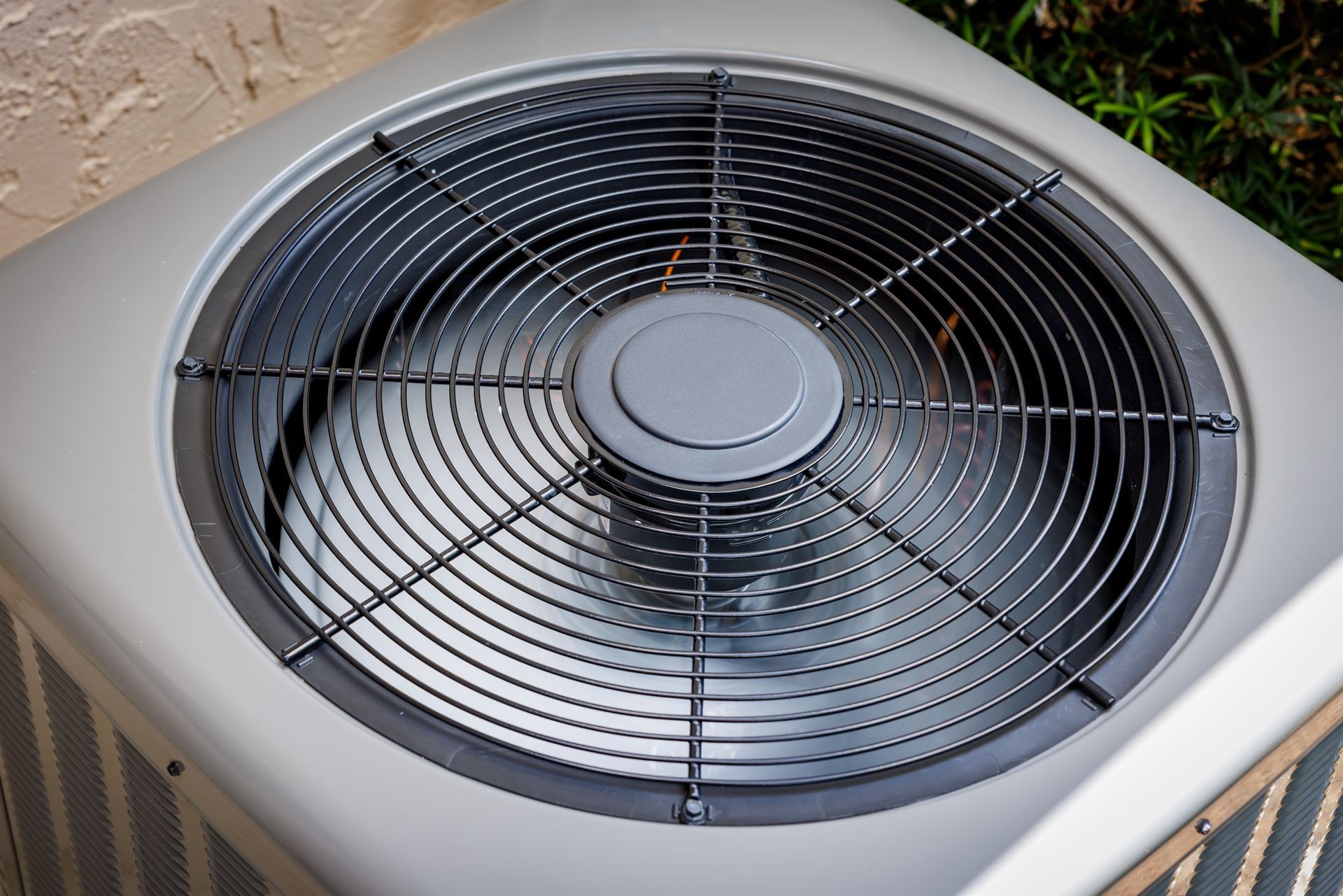
- Washing the outdoor condenser coil (cedar pollen and Hill Country dust pack into those fins fast)
- Checking refrigerant pressures against the manufacturer's spec
- Tightening electrical connections and measuring capacitor microfarads
- Clearing the condensate drain before it backs up into your ceiling
- Verifying airflow across the indoor coil
When a system is dialed in, it cycles less, pulls fewer amps, and keeps your house at setpoint without straining. That shows up on your Pedernales Electric or Bluebonnet bill within the first full billing cycle.
2. Equipment Longevity in a Brutal Cooling Climate
Buda, TX has roughly seven months of active cooling demand — typically April through October. That's nearly twice the cooling load that systems in northern states experience. Your compressor, blower motor, and capacitor are running harder and longer than the manufacturer's average-use models assume.
Regular HVAC maintenance is how you fight that. On a tune-up, we catch the things that kill systems early:
- Worn capacitors — these are the #1 cause of mid-summer no-cool calls I run. A $25 part replaced in spring prevents a $200 emergency call in August.
- Slow refrigerant leaks — caught early, it's a seal repair. Caught late, it's a burned-out compressor and a new system conversation.
- Dirty coils restricting heat transfer — forces the compressor to run hotter, which shortens its life.
"Most of the dead compressors I pull out of attics in Buda were preventable," Brian says. "The homeowner didn't know the capacitor had been weak for two summers, and the compressor finally gave up trying to start against it. A 20-minute check would have caught it."
For more on what we look at during a visit, see our AC maintenance service page.
3. Indoor Air Quality That Actually Matters Here
Central Texas is a rough place for allergies. Cedar fever in winter, oak pollen in spring, ragweed in fall, and the dust that blows through year-round — all of it ends up in your return ducts and on your evaporator coil. Many homes in Buda, TX built during the 2000s and 2010s have their air handlers in unconditioned attics, which means duct connections see big temperature swings and the system pulls dust through every joint that isn't sealed.
A maintenance visit improves indoor air quality in concrete ways:
- Filter inspection and sizing recommendations (MERV 8–11 is the sweet spot for most residential systems — go higher and you can choke off airflow)
- Coil cleaning to prevent biological growth in the condensate pan
- Drain line treatment to keep algae from blocking flow
- Visual duct inspection for disconnected or crushed runs in the attic
If anyone in the house deals with allergies or asthma, this part of the visit pays for itself fast.
4. Peace of Mind Before Peak Season Hits
The worst time to discover a problem is the first 100° afternoon of the year, when every reputable HVAC company within 30 miles is already two days out. The whole point of pre-season maintenance is to find weak spots while the weather still gives you room to fix them calmly.
I recommend a two-visit cadence to my customers:
- Spring tune-up (March–April) — full cooling system check before the heat lands
- Fall tune-up (October–November) — heat exchanger inspection, gas pressure check, ignition system, and safety controls before the first freeze
That schedule lines up with how systems actually wear in this climate, and it's what our maintenance plan is built around.
What's Included in the Bee Comfortable Maintenance Plan
Bee Comfortable is a licensed HVAC contractor (License #TACLB135763E) serving Buda, TX and surrounding communities since 2013. Our maintenance plan is designed for the realities of Central Texas weather, not a generic national checklist. Members get:
- Two full system tune-ups per year (spring and fall)
- 10% off any service or repair
- Free estimates on system replacements
- Reduced trip charges on service calls
- Priority scheduling during peak summer demand
For most homeowners in Buda, TX, the plan pays for itself the first time we catch a weak capacitor or a low refrigerant charge before it cascades into a bigger failure.
Ready to get on the schedule? Check out our maintenance plan page or call us directly at (512) 878-9262. You can also see the rest of what we cover on the heating and cooling services page.